Appleton Cove Cabin
We don’t think it should be. Every campground should hold some sites for whoever drives up.Tell your representative →
- Right now
- Taking bookingsSites offered on 30 of the next 30 nights read 14:57 UTC
- Sites
- 1All of them booked ahead
The place
the agency’s own description · what’s there · 14 notices
In the agency’s own words
Appleton Cove Cabin was built in 1992 by Forest Service administrative crews for field housing during a period of logging. When logging was complete, the cabin became available for recreation. The cabin is open year-round and makes an excellent base for visitors looking to enjoy saltwater fishing, hiking, mountain biking, wildlife viewing and hunting in this beautiful corner of Alaska. The cabin is located 30 miles north of Sitka, Alaska on Baranof Island, and can be accessed by float plane or boat, weather permitting. Visitors are responsible for their own travel arrangements and safety, and must bring several of their own amenities. Keep reading
Recreation
Many recreational activities are available at Appleton Cove, including saltwater fishing, seasonal deer hunting, hiking, mountain biking, off-highway vehicle riding and viewing marine wildlife. Anglers cast for Dolly Varden and pink, chum and coho salmon. A system of isolated logging roads are near but not connected to the cabin, allowing hiking and off-highway vehicle opportunities. Use caution on these rugged roads. For information about fishing and hunting permits and seasons, visit the Alaska Department of Fish and Game website.
Facilities
The one-room cabin sleeps five people and contains one double plywood bunk bed and three single plywood bunk beds (no mattresses). The cabin is equipped with a table and benches, a cooking counter, a cupboard and a broom. The cabin offers an oil stove for heat, but visitors must bring their own supply of #1 diesel fuel (10 gallons for a 3-day stay, more or less depending on the time of year). Visitors must bring their own sleeping bags and pads, a cooking stove, pots, pans, plates, utensils, food, toilet paper, a lantern, garbage bags, a fire extinguisher and fire starter. Rubber boots and rain gear are recommended. Water is available from the stream behind the cabin. Treat all water before using. It's recommended that guests bring their own water supply. Learn about water safety . A mooring buoy for boat anchorage is available on a first-come, first-served basis to cabin visitors and general forest users. Cabin reservation does not include exclusive use of the buoy. Mooring buoys are configured using a 4200-lb concrete block with 90 feet of 7/8th-inch stud link chain. Mariners are responsible for determining how suitable an anchoring system is for the size of their craft. Click here for additional cabin information and maps.
Natural Features
The cabin faces south and sits on the flat shoreline of Appleton Cove amid a tall, dense, hemlock-spruce forest, with views of the surrounding hills and mountains. Appleton Cove lies off Rodman Bay south of Peril Strait. Learn about bear safety and precautions .
What the agency tells you
This facility is located in an extremely remote and wild area; before making a reservation, become aware of bear, water, and weather safety (including cold)
Recreating in Alaska can present both obvious and hidden dangers; please be aware of your surroundings and be prepared for extended stays due to occasionally poor weather
Winter temperatures can freeze the cove occasionally, preventing access during those times
Everything else this campground posts · 11
Boil or treat water before drinking
Firewood for outdoor campfires is not provided, but dead and down wood may be gathered
Cabin is not maintained during the winter
Pack out all food and garbage
Off-highway vehicle riding is restricted to designated roads and trails as shown on the Sitka Motor Vehicle Use Map, available on the Tongass National Forest Website; request a hard copy via email at SM.FS.r10_sitka_rd@usda.gov
Past logging has established a 7.5-mile isolated road system adjacent to the cabin; culverts have been pulled on some roads, causing deep depressions; use caution in these areas
None of these old roads begin or end at the cabin, but at an old log transfer site nearby in the cove
For boat or air charters, contact the Sitka Convention and Visitors Bureau at 907-747-5940 or visit Sitka.org.
Learn more about the Tongass National Forest
Don't Move Firewood: Prevent the spread of tree-killing pests by purchasing firewood near your destination and burning it on-site. For more information visit dontmovefirewood.org.
The invasive European Green Crab (EGC) has been found in southern Southeast Alaska and is suspected to be in more locations on the Tongass National Forest. Please actively look for and report EGC to help map the distribution and contribute to management.
Tents and rigs
- Sites
- 1
- Hookups
- None
- Accessible sites
- None listed
Facilities
- Drinking water
- None, bring your own
- “…using. It's recommended that guests bring their own water supply. Learn about water safety . A mooring buoy…”
Around the campground
- On the water
- Creek, Beach, Coast
- Fishing
- Hiking
- Hunting
- Wildlife viewing
Full this Saturdayread 14:57 UTC
How full the weekend is nationally.
OpenBooked
The one site on offer is taken this Saturday. 1 is free on Mon, Oct 19. read 14:57 UTC Why the weekend fills and the week doesn’t
Watch for a cancellation
Watch this campground
One email when a night opens, plus More Than Just Parks dispatches. Unsubscribe any time.
We read recreation.gov once an hour, at 40 minutes past, and write the first time a site in your window is free for the nights you asked for.
Scanners that check every few minutes exist, and most of them charge. This one is free, it reads the same calendar, and it won’t always be first.
Tell me when the season opens
Watch for the season to open
One email when the season goes on sale, plus More Than Just Parks dispatches. Unsubscribe any time.
We check once an hour, at 40 minutes past, and write the first time the agency has that season on sale.
Scanners that check every few minutes exist, and most of them charge. This one is free, it reads the same calendar, and it won’t always be first.
We make nothing when you book. The link goes straight to the government.
Every line of the receipt · 14
What you actually pay
Who keeps the booking fee
The agency’s own policy text says the reservation fee and the cancellation processing fee are “retained by the reservation service contractor”, and that a campground concessionaire will decline to refund them because “they did not receive these fees”. Recreation.gov is run under contract by Booz Allen Hamilton. What share of your booking fee the contractor keeps isn’t published in any federal dataset we can read, so we print no number for it. Our reporting on the contract →
How we know this receipt · 4
recreation.gov availability, read 14:57 UTC · rules read Sep 9, 2026 · rates Sep 10, 2026 · How we know all this
The sites
1 sites · the site map
All 1 sites
Measured shade is NLCD Tree Canopy Cover 2024 (USDA Forest Service / MRLC) read at the site’s own coordinate, 27% canopy or more, and only for the sites the agency gave no Shade value. It never changes the agency’s own shaded count beside it.
| AREA APPLETON COVE CABIN | S21 | standard nonelectric | 1,799 ft |
OpenStreetMap has no toilet mapped within 1 km of this campground, so no site here carries a toilet distance. That’s a gap in the map, not a finding about the campground.
Getting there
the map and the coordinate · the agency’s directions · the phone number
Where it is
 Sitkoh Lake (West) CabinTongass National Forest · 7.1 mi
 Lake Eva CabinTongass National Forest · 7.5 mi
 Sitkoh Lake (East) CabinTongass National Forest · 8.7 mi
 Piper Island Cabin13 mi
 Allan Point CabinTongass National Forest · 16 mi
 Kook Lake CabinTongass National Forest · 17 mi
Accessible from Sitka year round, weather permitting. 30 air miles or 50 boat miles north of Sitka on Baranof Island just south of Peril Strait on the southeast shore of Appleton Cove. Access from Sitka, 25 minutes by float plane or 2 hours by boat. Occasionally winter temperatures can freeze the cove, preventing access during those times.
For geographic features surrounding the cabin, refer to USGS topographic map Sitka B-4.
The weather
the next four days · the thirty-year normal
Next four days, and the thirty-year normal
Forecast
NWS forecast for Sitka, AK
Typical weather
Typical October night 39°F, day 49°F.
Coldest month of the year: typical January night 29°F, below freezing. Bring a bag rated colder than that, and expect ice in the water bottle.
Daily high and lowDays with 0.10 in or more
A normal is the 1991-2020 average for the month, not a forecast: about half of all Augusts are colder than the August line. The seven-day forecast above answers the other question.
The land, and who answers for it
what threatens it · who answers for it · a letter you can send
What threatens this place
You’re camping on ground somebody wants. We track the threats and the comment deadlines.
Who answers for this land
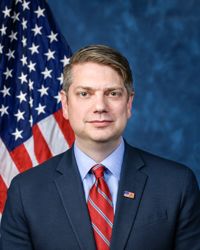
Appleton Cove Cabin is in Alaska’s at-large congressional district. Its representative, Nick Begich (R), votes on the laws that decide what happens to this land. Public-lands grade so far: F. See every public-lands vote →
Who can change it · 3
Two offices, two different asks. The draft to the agency asks it to set aside a published share of the sites here for whoever drives up. The draft to Congress asks why that share is zero and presses for a published minimum at the campgrounds it funds.
- The member who votes the moneyNicholas J. Begich IIIU.S. Representative · Alaska, at-large
- Your senator, on the same appropriationDan SullivanU.S. Senator · Alaska
- Your senator, on the same appropriationLisa MurkowskiU.S. Senator · Alaska
Read the draft, or change the wording
For the camper who turned up, or tried to book, and couldn’t get in. Every draft is written from this campground’s own record (its agency, its unit, its site count and its own weekend) and the buttons above copy whichever wording is selected here.
Asks them to put the question to the agency in writing, and to press for a published minimum share of walk-up sites across the campgrounds they fund.
Subject Walk-up camping at Appleton Cove Cabin, Tongass National Forest, Alaska
Dear Nicholas J. Begich III,

I’m a constituent in Alaska, at-large. I tried to camp at Appleton Cove Cabin, Tongass National Forest, Alaska, and couldn’t.

All 1 sites at Appleton Cove Cabin are reservable, and the agency's own record lists none held back for somebody who drives up. On Saturday, October 17, the one site recreation.gov was offering there was already booked.

1,623 of the 7,647 federal campgrounds in this country still keep at least some sites for whoever arrives first. Appleton Cove Cabin keeps none, and that’s a choice somebody made rather than a rule.

I’m not asking you to run Appleton Cove Cabin. I’m asking you to put it to the U.S. Forest Service in writing: why is the share of first-come sites there zero, and what would a published minimum share cost? Please press for that minimum at the federal campgrounds you fund.

The people who open these campgrounds, collect the fees and keep the water running are seasonal positions. At GS-5, base pay plus the government's own 36.25% benefit factor, one costs about $47,414 a year. One percent of the $13.3 billion the USS Gerald R. Ford cost to procure would pay for about 2,800 of them for a year. Both figures are the government's own (a Congressional Research Service report and an OPM pay table), and I’m glad to send them.

Sent about Appleton Cove Cabin (Tongass National Forest, Alaska) via campanac.com
Asks them to put the question to the agency in writing, and to press for a published minimum share of walk-up sites across the campgrounds they fund.
Subject Walk-up camping at Appleton Cove Cabin, Tongass National Forest, Alaska
Dear Dan Sullivan,

I’m a constituent in Alaska. I tried to camp at Appleton Cove Cabin, Tongass National Forest, Alaska, and couldn’t.

All 1 sites at Appleton Cove Cabin are reservable, and the agency's own record lists none held back for somebody who drives up. On Saturday, October 17, the one site recreation.gov was offering there was already booked.

1,623 of the 7,647 federal campgrounds in this country still keep at least some sites for whoever arrives first. Appleton Cove Cabin keeps none, and that’s a choice somebody made rather than a rule.

I’m not asking you to run Appleton Cove Cabin. I’m asking you to put it to the U.S. Forest Service in writing: why is the share of first-come sites there zero, and what would a published minimum share cost? Please press for that minimum at the federal campgrounds you fund.

The people who open these campgrounds, collect the fees and keep the water running are seasonal positions. At GS-5, base pay plus the government's own 36.25% benefit factor, one costs about $47,414 a year. One percent of the $13.3 billion the USS Gerald R. Ford cost to procure would pay for about 2,800 of them for a year. Both figures are the government's own (a Congressional Research Service report and an OPM pay table), and I’m glad to send them.

Sent about Appleton Cove Cabin (Tongass National Forest, Alaska) via campanac.com
Asks them to put the question to the agency in writing, and to press for a published minimum share of walk-up sites across the campgrounds they fund.
Subject Walk-up camping at Appleton Cove Cabin, Tongass National Forest, Alaska
Dear Lisa Murkowski,

I’m a constituent in Alaska. I tried to camp at Appleton Cove Cabin, Tongass National Forest, Alaska, and couldn’t.

All 1 sites at Appleton Cove Cabin are reservable, and the agency's own record lists none held back for somebody who drives up. On Saturday, October 17, the one site recreation.gov was offering there was already booked.

1,623 of the 7,647 federal campgrounds in this country still keep at least some sites for whoever arrives first. Appleton Cove Cabin keeps none, and that’s a choice somebody made rather than a rule.

I’m not asking you to run Appleton Cove Cabin. I’m asking you to put it to the U.S. Forest Service in writing: why is the share of first-come sites there zero, and what would a published minimum share cost? Please press for that minimum at the federal campgrounds you fund.

The people who open these campgrounds, collect the fees and keep the water running are seasonal positions. At GS-5, base pay plus the government's own 36.25% benefit factor, one costs about $47,414 a year. One percent of the $13.3 billion the USS Gerald R. Ford cost to procure would pay for about 2,800 of them for a year. Both figures are the government's own (a Congressional Research Service report and an OPM pay table), and I’m glad to send them.

Sent about Appleton Cove Cabin (Tongass National Forest, Alaska) via campanac.com