Gordon Hirabayashi Campground
- Right now
- Closed for the seasonOut of the season the agency publishes
- Season
- November 1 – April 30Open November 1 through April 30, across the new year
The place
the agency’s own description · what’s there
In the agency’s own words
This site is also known as Prison Camp.The site was a Federal Honor Camp beginning in 1937 to house federal prisoners supplying labor to build a road for access into the Santa Catalina Mountains. Prisoners had been convicted of federal crimes ranging from immigration law violations to tax evasion to bank robbery. During World War II, many of the prisoners of this camp were conscientious objectors whose religions prohibited them from serving in the military. Some were Japanese Americans protesting the Japanese American Relocation, the largest forced removal and incarceration in U.S. Keep reading
History that started after the Japanese Navy attacked Pearl Harbor in 1941. Over 100,000 Japanese Americans, many American Citizens, were imprisoned in internment camps for fear they would conduct espionage and sabotage along the west coast. Gordon Hirabayashi was a senior at the University of Washington in 1942. He challenged the constitutionality of internment based on race or ancestry. He turned himself in to the FBI rather than report for relocation. He was convicted and sentenced to serve at the Federal Honor Camp in the Santa Catalina Mountains. In 1987, Hirabayashi's case was overturned. A federal commission determined that the internment had been motivated by racial prejudice and wartime hysteria. In 1988, the Civil Liberties Act was signed by President Ronald Reagan, which acknowledged the injustice and apologized for the internment. In 1999, the Coronado National Forest renamed the site in honor of Dr. Hirabayashi and the other resisters of conscience who were imprisoned there. Dr. Hirabayashi and others attended the dedication ceremony.
Around the campground
- On the water
- Coast
Phone before you drive
recreation.gov publishes no availability for a campground you can’t reserve, so there’s no thirty-night reading to draw here. The season bar above is what the agency does publish.
Every line of the receipt · 7
What you actually pay
How we know this receipt · 4
record Aug 24, 2026 · How we know all this
Getting there
the map and the coordinate
Where it is
 MolinoCoronado National Forest · 1.4 miMolino Basin CampgroundCoronado National Forest · 1.6 mi
 General Hitchcock CampgroundCoronado National Forest · 3.3 mi
 Rose Canyon CampgroundCoronado National Forest · 3.8 mi
 Rose CanyonCoronado National Forest · 4.2 mi
 Showers Point Group SiteCoronado National Forest · 4.8 mi
The weather
the next four days · the thirty-year normal
Next four days, and the thirty-year normal
Forecast
NWS forecast for Tanque Verde, AZ
Typical weather
Typical November night 42°F, day 64°F.
Coldest night of the open season: typical January night 35°F. Bring the bag rated for it.
Daily high and lowDays with 0.10 in or moreOutside the published season
A normal is the 1991-2020 average for the month, not a forecast: about half of all Junes are colder than the June line. The seven-day forecast above answers the other question.
The land, and who answers for it
what threatens it · who answers for it
What threatens this place
You’re camping on ground somebody wants. We track the threats and the comment deadlines.
Who answers for this land
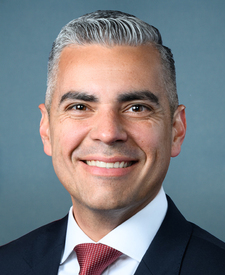
Gordon Hirabayashi Campground is in Arizona’s 6th congressional district. Its representative, Juan Ciscomani (R), votes on the laws that decide what happens to this land. Public-lands grade so far: F. See every public-lands vote →